Why Voltage Regulator Adoption Is Growing in Smart Homes
If you've invested in smart home systems like smart refrigerators, home theaters, gaming PCs, or whole-house automation systems, you've likely experienced flickering lights and worries about device malfunctions. A question buyers often ask me is simple: Do I really need a voltage regulator for my home? In short, the answer is yes. A more detailed explanation explains why more and more homeowners are making this decision daily. Your smart devices are essentially miniature computers, and computers are most vulnerable to unstable power. A voltage regulator isn't a surge protector; it doesn't simply wait for voltage spikes. It actively corrects for persistent undervoltage, overvoltage, and fluctuations in the power grid—often unnoticed until a device malfunctions.
The Hidden Dangers of Smart Devices
Most homeowners don't realize that the electricity flowing into your home can never be perfectly stable. Grid fluctuations occur daily during peak hours, when your neighbor's air conditioner is on, or when nearby utilities are overloaded. These voltage fluctuations may not trip a circuit breaker, but they can wear down delicate electronic devices over time.
Last year, I spoke with a homeowner who had replaced two smart refrigerators within three years. The first refrigerator's main control board failed; the second had intermittent compressor malfunctions. Ultimately, an electrician discovered the problem stemmed from a long-standing low-voltage issue in their neighborhood, with voltage frequently dropping below 110V at night. Both malfunctions could have been avoided if a voltage regulator had been installed. This insidious damage doesn't manifest as dramatic voltage fluctuations, but rather silently shortens the lifespan of all plugged-in devices.
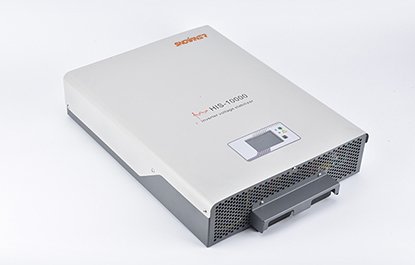
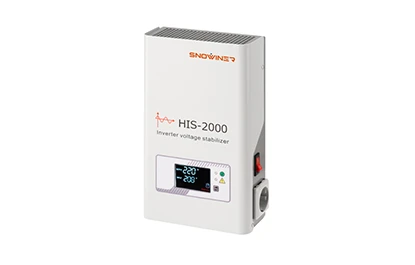
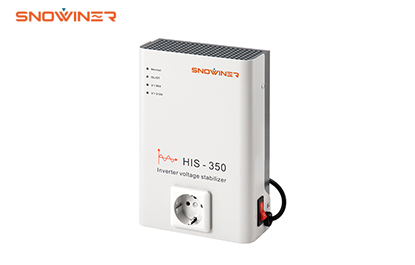
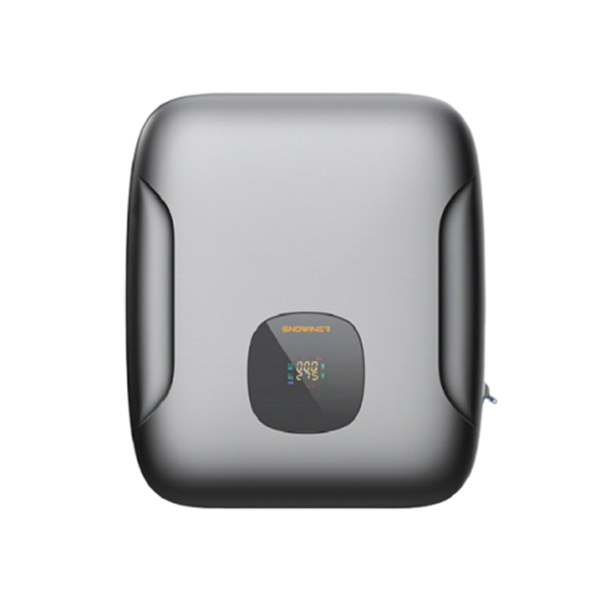
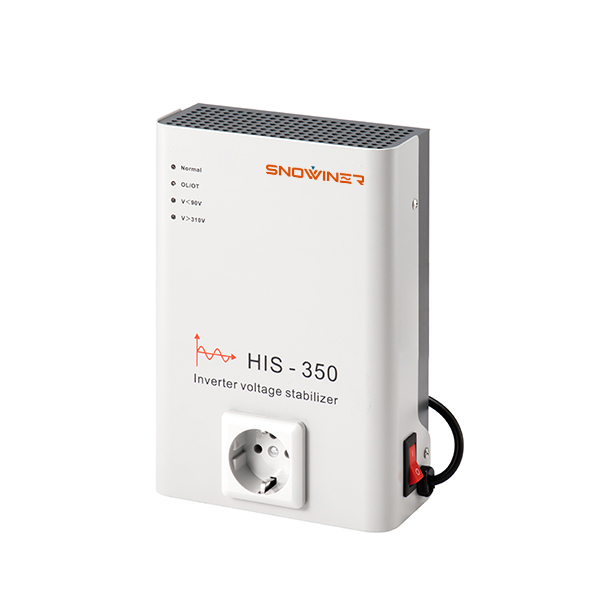
SNOWINER has observed similar phenomena in thousands of installations. Our automatic voltage regulators detect voltage fluctuations within milliseconds and adjust the output voltage to a safe range, typically 220V or 110V, depending on your location, with an error margin of ±3%. This precise voltage control is key to protecting your home from premature damage to electronic devices.
Real-world case study: Why Homes Are Upgrading
The widespread adoption of voltage regulators is no accident; it's directly related to two major trends: the increasing sensitivity of home electronics and the growing number of people working from home. If your livelihood depends on a home office environment equipped with high-end computers, monitors, and network equipment, then voltage fluctuations are more than just a nuisance; they represent lost work time.
I recall a customer who installed a SNOWINER voltage regulator after his $3,000 gaming PC was damaged by a minor voltage drop. The next morning, the computer wouldn't turn on. The repair shop diagnosed that the power supply and motherboard were burnt out. The customer told me, "I spent $3,000 on a computer, it broke down, and then I spent $400 on a voltage regulator. I should have bought the computer the other way around."
This sentiment resonated with many homeowners. A whole-house voltage regulator, or even a dedicated regulator for critical electronics, costs far less than replacing a smart home appliance or home theater system. Moreover, unlike surge protectors that can't prevent undervoltage, voltage regulators protect both ends of the voltage range simultaneously.
Technical Advantages: Key Considerations
Not all voltage regulators are created equal. Discerning buyers will look for specifications like servo motor-controlled voltage regulators, which offer faster response and higher accuracy than relay-based regulators. SNOWINER products use microprocessor-controlled voltage regulation with a response time of less than 30 milliseconds, making voltage fluctuations imperceptible to most devices.
Recently, I guided a client in selecting a voltage regulator for their home theater. They had invested in a 4K projector, a Dolby Atmos receiver, and a high-end subwoofer. Their electrician had warned them that the community's transformer capacity was insufficient due to the increasing number of residents. We matched them with a 5kVA SNOWINER servo-type automatic voltage regulator, which was sufficient to power the entire entertainment and network setup. A month later, the client emailed me saying: the projector no longer flickered, and the receiver no longer randomly shut down. The system was working perfectly.
The Importance of Brands and Certifications
Over the years, I've learned in this industry that voltage regulators are one of those electronic products where quality differences become apparent over time. Cheap products use undercapacitated transformers or relay-based correction circuits, which produce loud clicking noises and are prone to failure.
SNOWINER products comply with CE, RoHS, and ISO 9001 standards. Their transformers are rated for continuous operation, and cooling fans only activate when needed.
One of my property managers used to buy the cheapest voltage regulators for his rental properties. After replacing three regulators in two years and dealing with tenant complaints about equipment malfunctions, he switched to SNOWINER. He said, “I realized that buying cheap protection is the same as having no protection at all.” This sentiment resonates widely in the smart home space. When you need to protect equipment worth thousands of dollars, a voltage regulator is a worthwhile investment.
Customized Solutions for Practical Installations
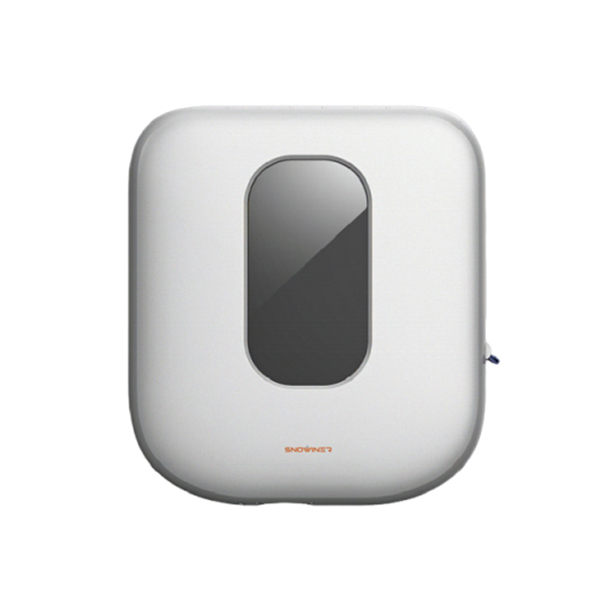
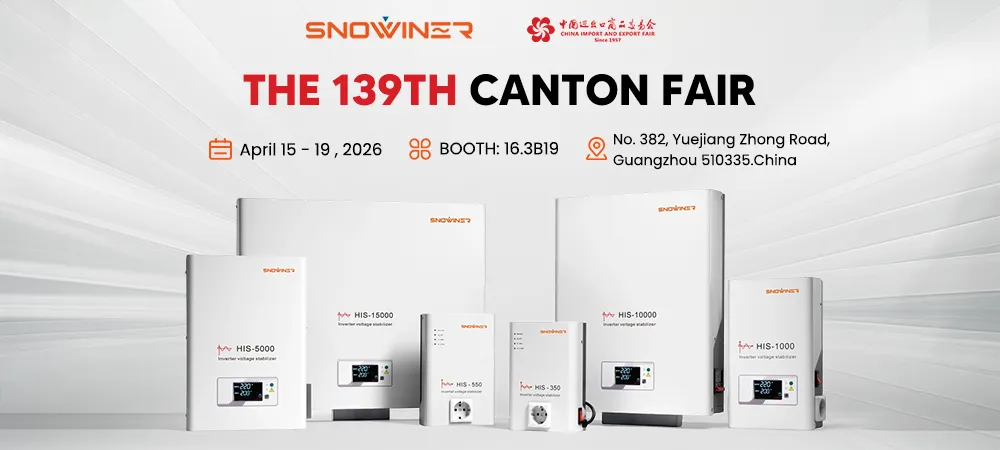
Home voltage regulation solutions aren't one-size-fits-all. Small apartments might only need a single wall-mounted voltage regulator to protect the entertainment center. Larger homes with multiple zones may require a whole-house automatic voltage regulator installed on the main distribution panel. SNOWINER offers customizable solutions, including rack-mount units for home server setups, weatherproof enclosures for outdoor installations, and parallel operation configurations for homes with high power demands.
Conclusion: Peace of Mind
The increasing adoption of voltage regulators by smart home users boils down to one simple reason: peace of mind. When you invest in creating a smarter, more efficient, and more comfortable home environment, the last thing you want is for an unstable power supply to ruin it all. A voltage regulator may not be the most eye-catching part of a smart home system, but it may be the most important.
SNOWINER has extensive experience in power protection and understands that the best installation is one where you barely notice its presence until it silently protects your devices from costly failures.